Charging: Home vs. Public
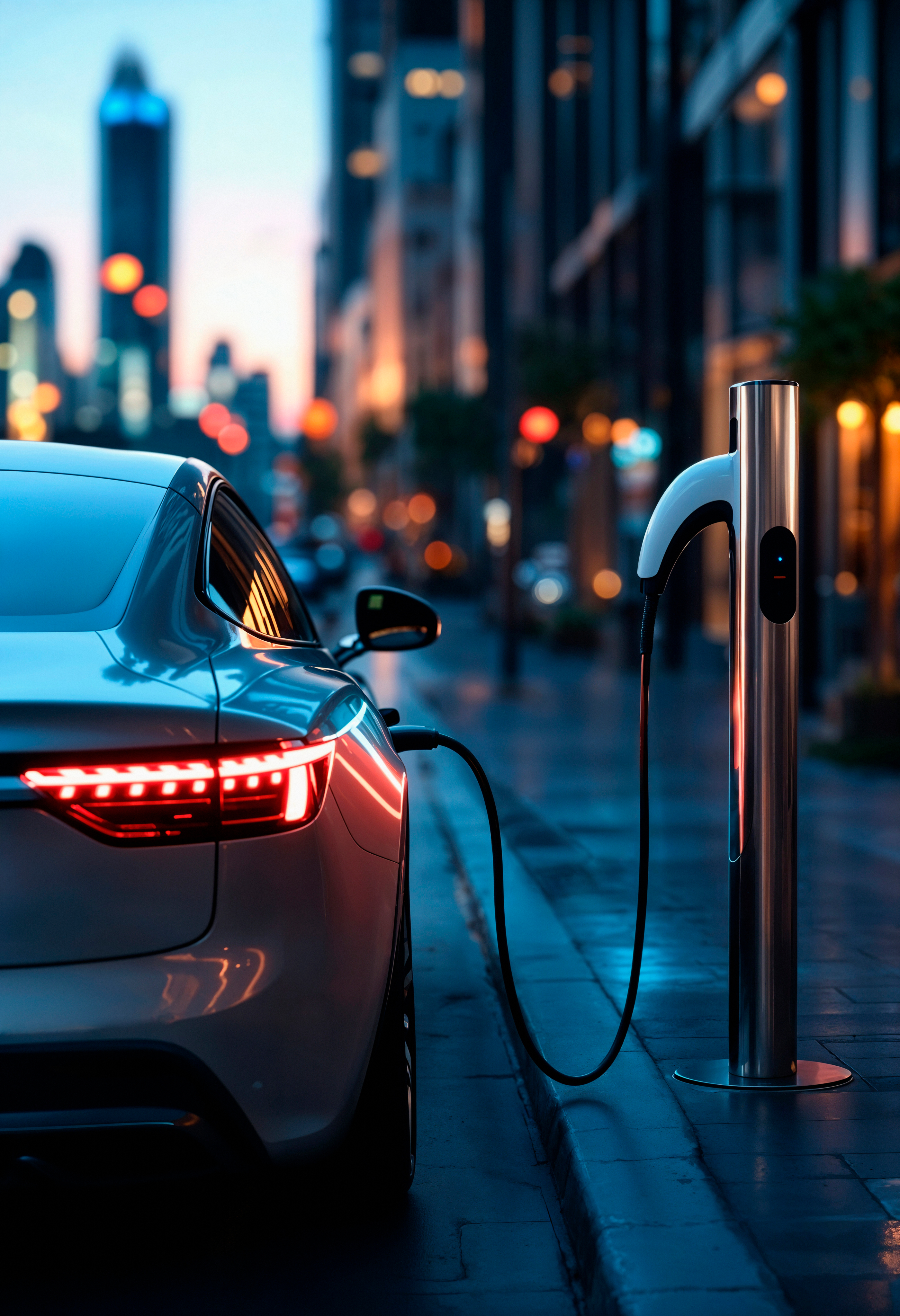
One of the biggest questions for new EV owners is where to charge. Should you rely on a home charger or public charging infrastructure? Let’s compare.
Home Charging
Convenience: Plug in when you get home and wake up to a full charge. It’s as simple as charging your phone.
Cost: Domestic electricity rates are usually significantly lower than public charging tariffs.
Speed: Standard wall sockets are slow (Level 1), but installing a dedicated wall box (Level 2) can charge your car overnight (6–8 hours).
Public Charging
Speed: DC fast chargers (Level 3) are extremely fast and can charge a battery from 0–80% in about 30–60 minutes.
Availability: They are necessary for long road trips, but stations may sometimes be crowded or unavailable in certain areas.
Cost: Public charging is usually more expensive than home charging, often costing 2–3 times more per unit.
Recommendation
For most EV owners, home charging should be the primary method (about 80–90% of charging). Public charging is best reserved for long highway trips or emergencies.